Mechanical Engineering
Thermal systems, manufacturing, design, CAD/CAM and industrial engineering.
Overview
Thermal systems, manufacturing, design, CAD/CAM and industrial engineering.
- Established
- 1996
- Intake
- 60 seats (legacy department page; confirm current sanctioned intake)
- Duration
- 4 Years
- Programme
- B.Tech (undergraduate), four years
- Affiliation
- Dr. Babasaheb Ambedkar Technological University (DBATU)
Vision
Goings-on to be recognized globally for excellent education and research leading to well skilled engineers
Mission
To develop industry oriented manpower to accept the challenges of globalization by supporting them to groom in all aspects like communication, interpersonal skills
Goals
To develop engineers with high quality knowledge of Mechanical Engineering with diverse background to meet the challenges of new millennium.
Infrastructure
| Name of The Lab | Area Covered (Square Mtr.) | Cost of the Lab |
|---|---|---|
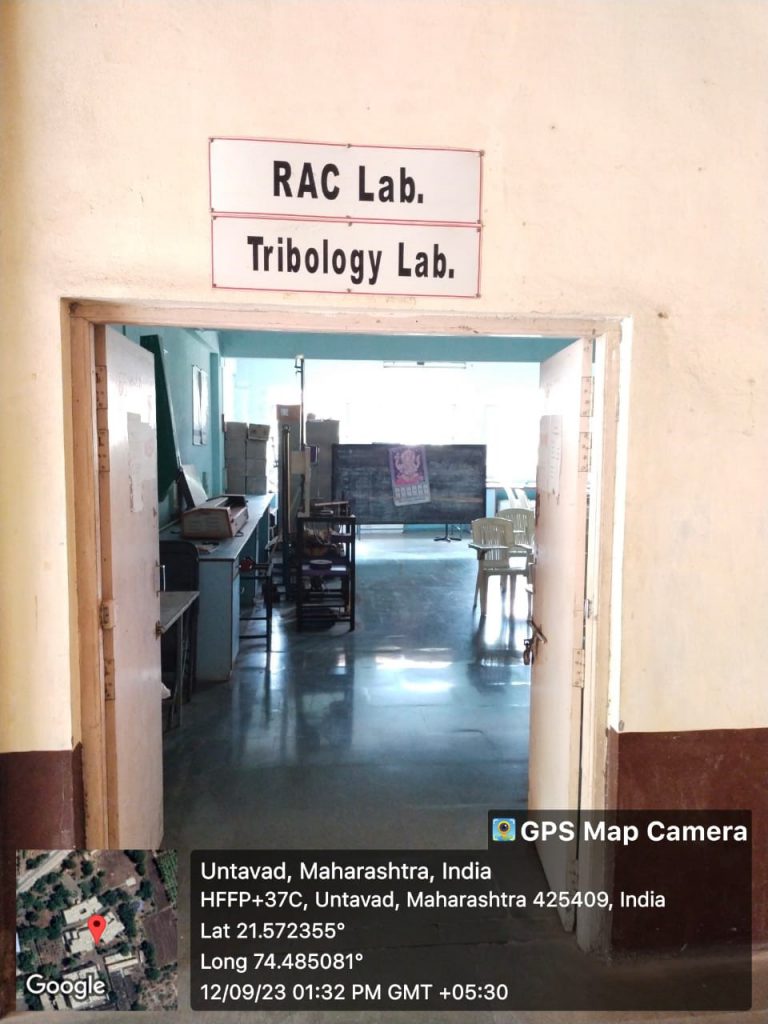
| Refrigeration & Air Conditioning Lab / Tribology Lab | 103.32 | 3,24,585 78,306 |
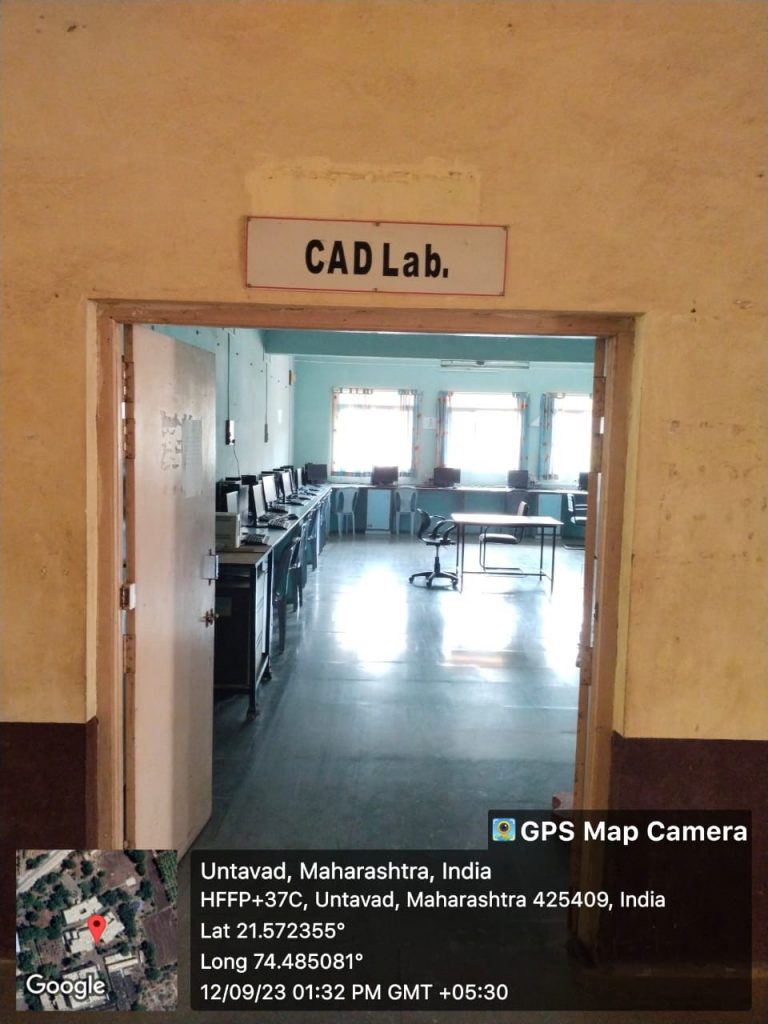
| CAD Center | 72.00 | 18,17,688 |
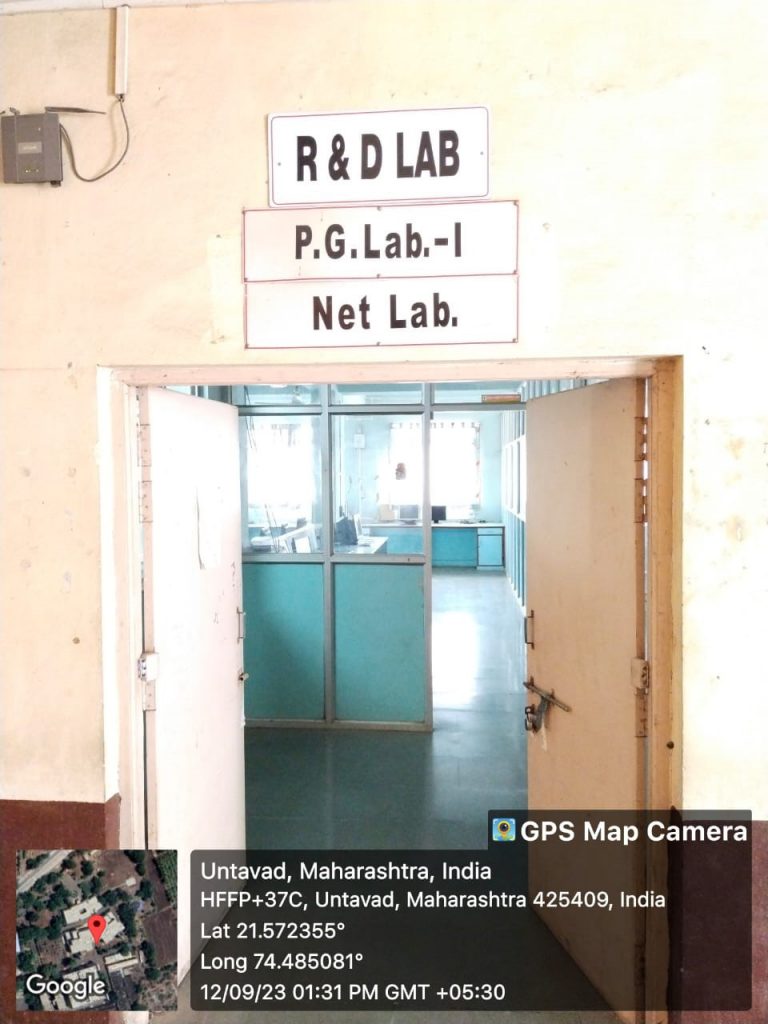
| Net Lab | 67.00 | – |
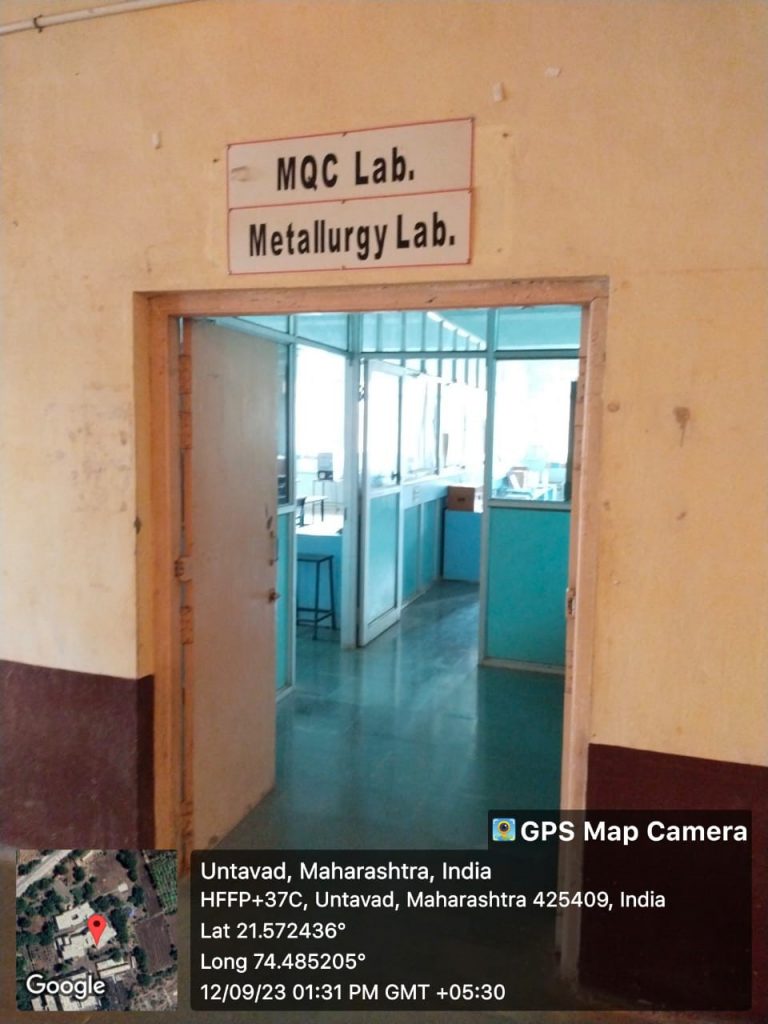
| Metallurgy Lab | 72.00 | 4,19,347 |
| Metrology & Quality Control Lab | 72.00 | 6,65,332 |
| Basic Mechanical / Automobile Lab | 72.00 | 5,26,232 |
| Heat Transfer Lab | 106.38 | 1,58,168 |
| Thermal Engg / Fluid Mechanics Lab | 106.38 | 13,13,605 |
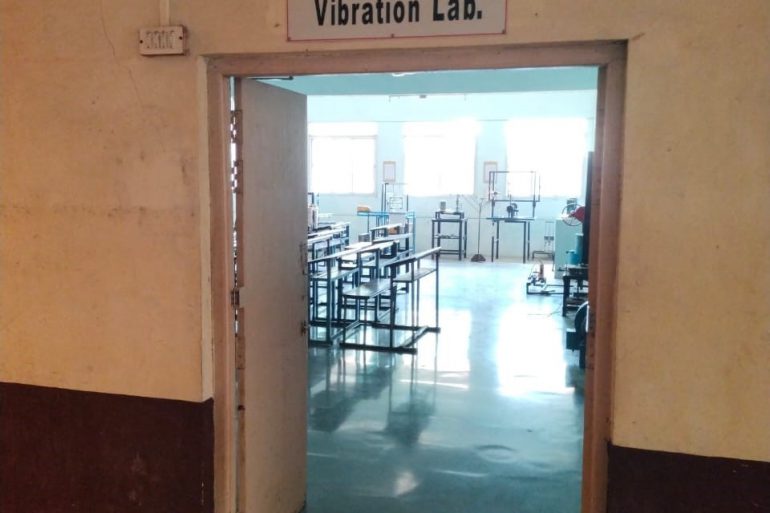
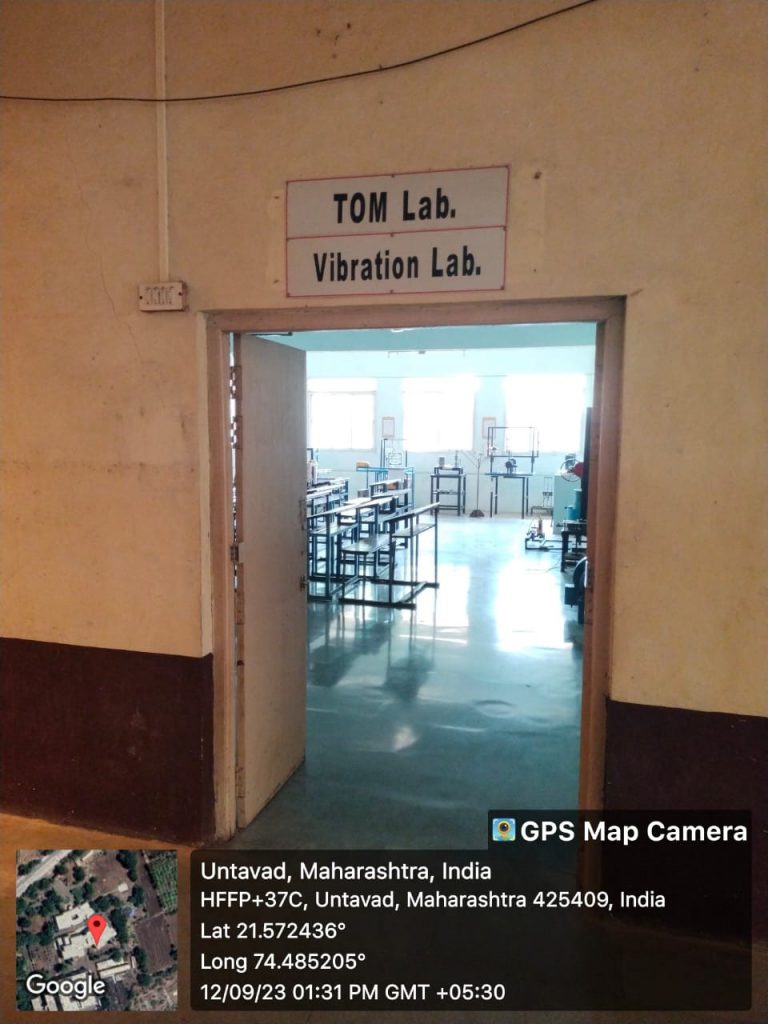
| Theory of Machine / Vibration Lab | 105.32 | 1,67,086 |
| CAM Lab | 23.20 | 10,77,242 |
| PG- Lab | 67.00 | 9,57,026 |
| Drawing Hall | 206.60 | 1,40,902 |
| Workshop | – | 36,96,310 |
| Seminar Hall | 105.93 | – |
Laboratories
- Refrigeration & Air Conditioning Lab / Tribology Lab
- CAD Center
- Net Lab
- Metallurgy Lab
- Metrology & Quality Control Lab
- Basic Mechanical / Automobile Lab
- Heat Transfer Lab
- Thermal Engg / Fluid Mechanics Lab
- Theory of Machine / Vibration Lab
- CAM Lab
- PG- Lab
- Drawing Hall
- Workshop
- Seminar Hall
Laboratory details, major equipment and experiments (PDF) opens in a new tab
Faculty
5 faculty members as published by the college. Contact numbers are shown where the college has published them.
-
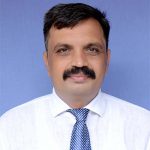
Prof. Hemant Gorakh Patil
Associate Professor & Head
- Qualification
- PhD (Pursuing), M.E (I.E.M.), B.E. (Mechanical)
- Expertise
- Vibration
- Experience
- 29 Years
-

Prof. Girish Arjun Chaudhari
Assistant Professor
- Qualification
- M.E. (Manufacturing Engineering)
- Expertise
- Manufacturing Engineering
- Experience
- 26.5 Years
-
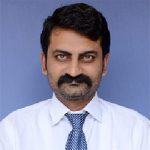
Prof. Harichandra K. Chavhan
Assistant Professor & HoD (Applied Science)
- Qualification
- PhD (Pursuing), ME (Thermal Engineering), B.E. (Mechanical)
- Expertise
- Thermal , FEA
- Experience
- 17 Years
-
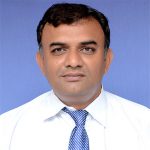
Prof. Nilesh Damodar Patel
Assistant Professor
- Qualification
- M.E (Thermal Engineering), B.E. (Mechanical)
- Expertise
- Metrology and Quality control, Renewable energy Sources.
- Experience
- 17 Years
-

Prof. Umesh U. Patil
Assistant Professor
- Qualification
- M.E. (Mechanical Engineering-General), B.E. (Mechanical)
- Expertise
- Material Science, Manufacturing
- Experience
- 16 Years
Programme Outcomes
Programme Educational Objectives
- Graduates will have become effective collaborators and innovators, leading or participating in efforts to address social, technical and business challenges.
- Graduates will have engaged in life-long learning and professional development through self-study, continuing education or graduate and professional studies in engineering, business.
- An ability to design a mechanical engineering based system, components or processes to meet desired needs with a focus on public health and safety, culture, society and environment.
- An understanding of professional responsibility and accountability and demonstrate the need for sustainability.
- The broad education necessary to assess the impact of mechanical engineering solutions in a legal, health, safety and societal context.
Programme Outcomes
- An ability to apply knowledge of mathematics, science, and engineering.
- An ability to design and conduct experiments, as well as to analyze and interpret data
- An ability to design a system, component, or process to meet desired needs within realistic constraints such as economic, environmental, social, political, ethical, health and safety, manufacturability, and sustainability.
- An ability to function on multidisciplinary teams.
- An ability to identify, formulates, and solves engineering problems.
- An understanding of professional and ethical responsibility.
- An ability to communicate effectively.
Course Outcomes
Course outcomes for the Mechanical Engineering programme are published as a document.
Additional Information
Department photographs
Ready to choose your branch?
Talk to our admissions team about eligibility, intake and the branch that best fits your goals — we respond within 24 hours.