
Computer Engineering
Software, data structures, AI, machine learning and cloud computing.
Overview
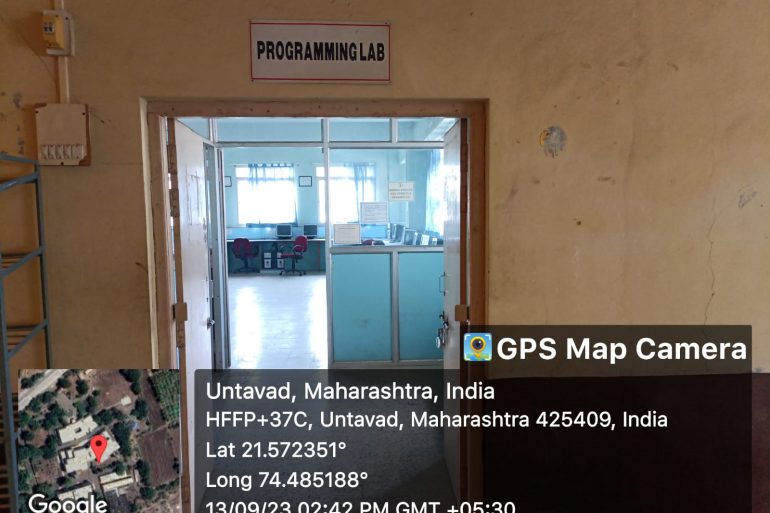
Software, data structures, AI, machine learning and cloud computing.
- Established
- 1996
- Intake
- 90 seats (legacy department page; confirm current sanctioned intake)
- Duration
- 4 Years
- Programme
- B.Tech (undergraduate), four years
- Affiliation
- Dr. Babasaheb Ambedkar Technological University (DBATU)
Vision
To nurture computer engineers to become leader in their profession and contribute to society’s welfare.
Mission
To run a programme that improve knowledge, develop skills and provide opportunities through technical teaching, practical learning and self-development.
Goals
To educate well rounded computer engineers capable of becoming leader in their profession.
Infrastructure
| Name of The Lab | Area Covered (Square Mtr.) | Cost of the Lab |
|---|---|---|
| Computer Center | 207.85 | 4890944 |
| Computer Network | 109.46 | 2856274 |
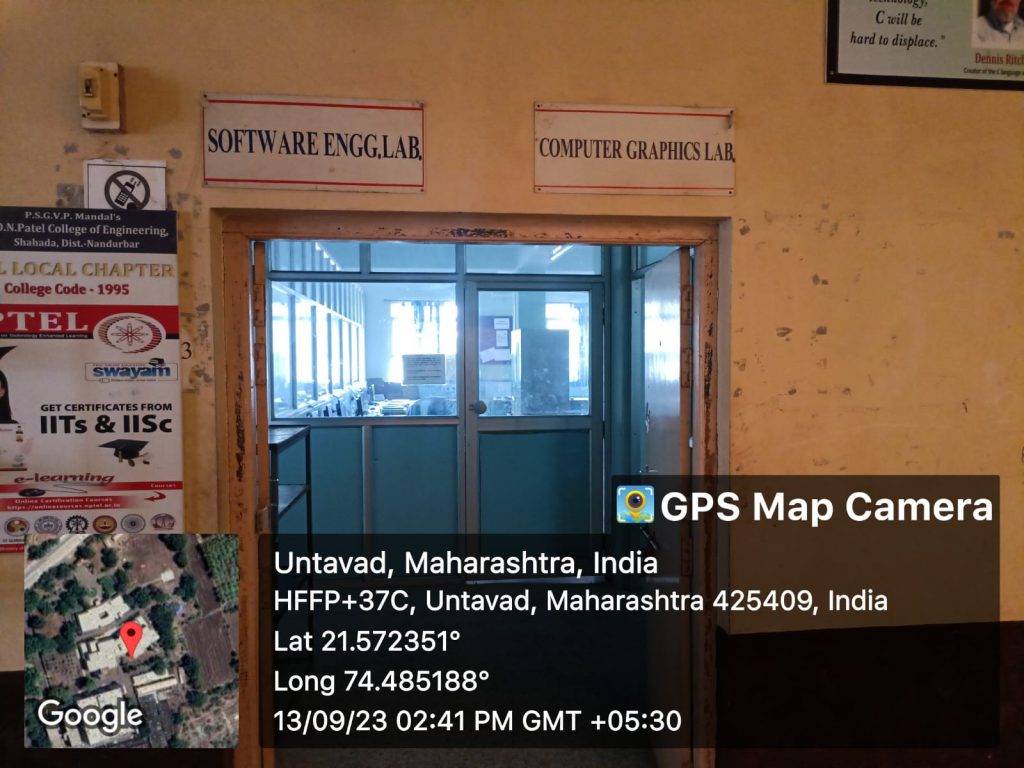
| Software Engineering | 74.418 | 1416609 |
| Internet Of Things & Embedded System Lab | 63.04 | 1452750 |
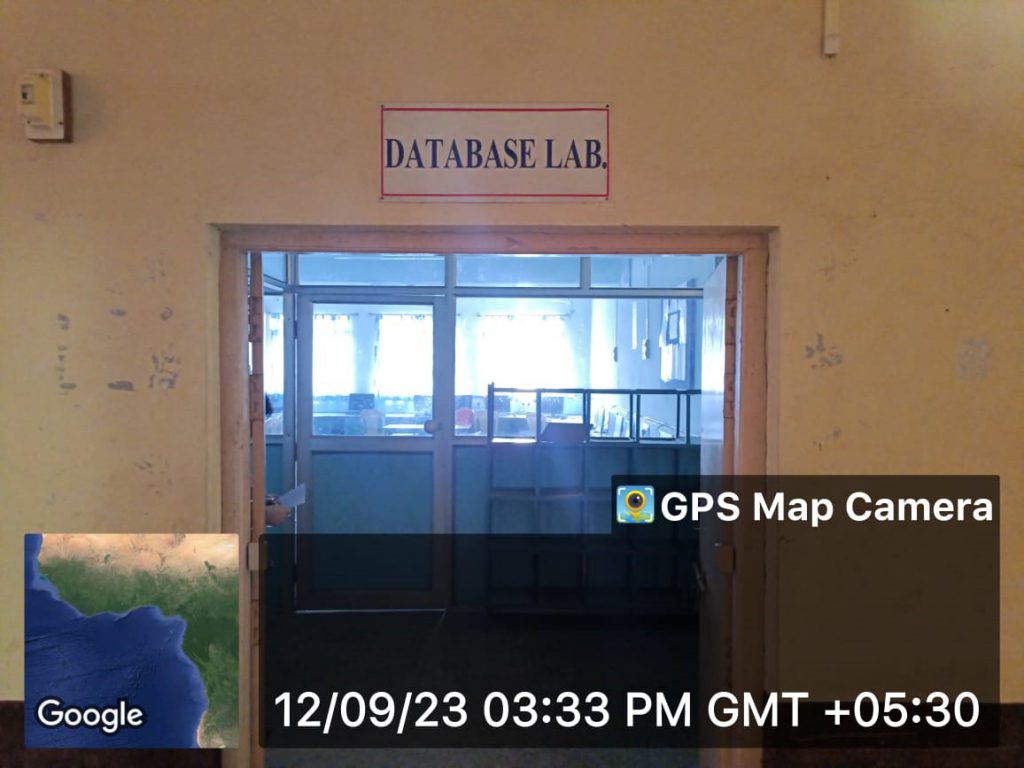
| Database Management System | 72.4 | 2070510 |
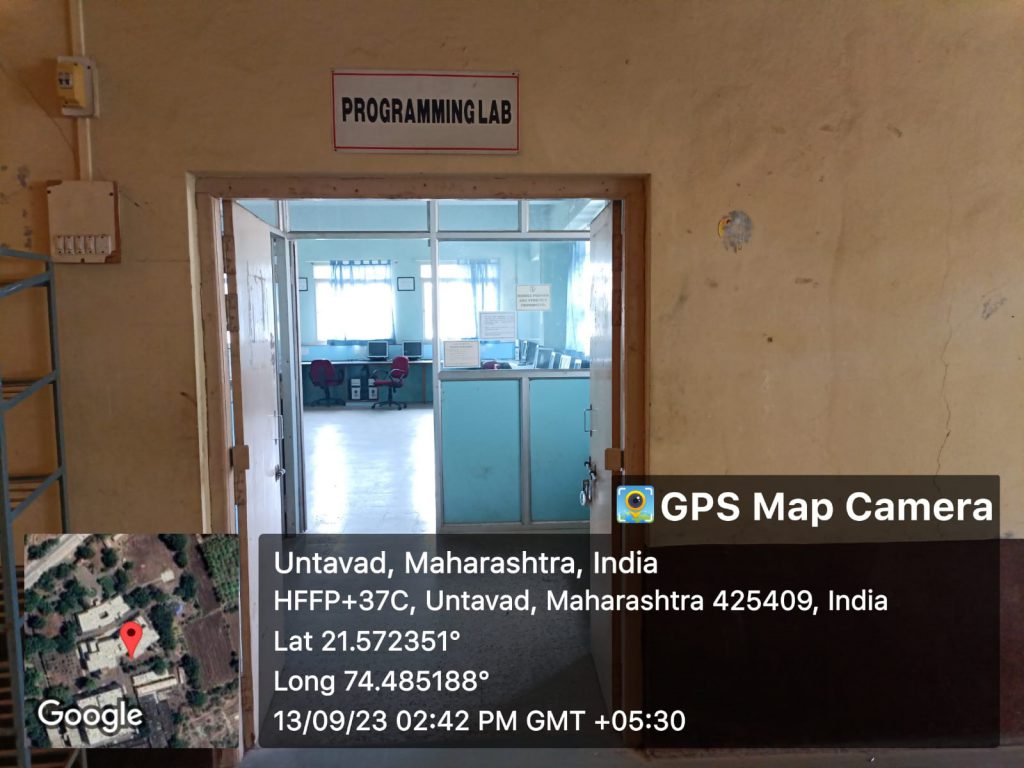
| Programming | 109.61 | 2312974 |
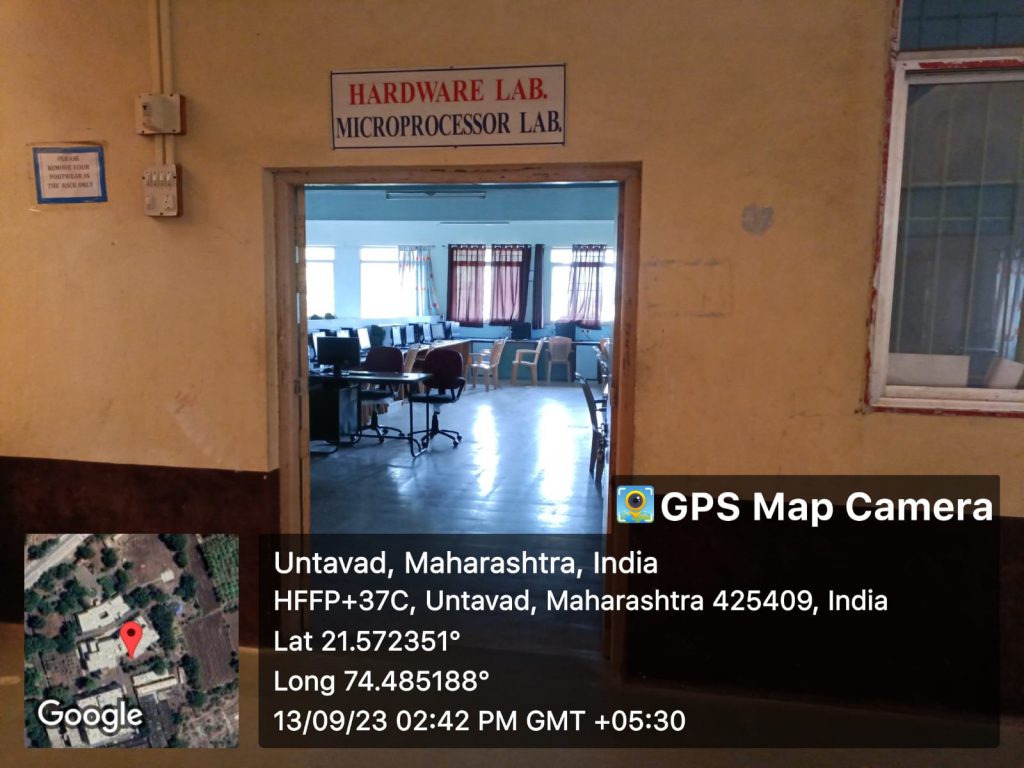
| Hardware and Microprocessor | 106.29 | 6291008 |
| Artificial Intelligence Lab | 103.98 | 822350 |
| Total Cost | 22113419 |
Laboratories
- Computer Center
- Computer Network
- Software Engineering
- Internet Of Things & Embedded System Lab
- Database Management System
- Programming
- Hardware and Microprocessor
- Artificial Intelligence Lab
Laboratory details, major equipment and experiments (PDF) opens in a new tab
Faculty
9 faculty members as published by the college. Contact numbers are shown where the college has published them.
-

Prof. Vinod S. Mahajan
Assistant Professor & H.O.D.
- Qualification
- PhD (Pursuing), M.Tech (CSE), B.E. (Computer)
- Expertise
- Machine Learning
- Experience
- 19.5 Years
-

Prof. Ashphak P. Khan
Assistant Professor
- Qualification
- PhD (Pursuing), M.Tech (IT), B.E. (IT)
- Expertise
- Web Mining, Network Security, Machine Learning
- Experience
- 19 Years
-

Prof. Shehzad H. Shaikh
Assistant Professor
- Qualification
- PhD (Pursuing), M.Tech (CSE), B.E. (Computer)
- Expertise
- Network Security, Machine Learning , Deep Learning
- Experience
- 18 Years
-

Prof. Akash Bhimrao Koli
Assistant Professor
- Qualification
- PhD (Pursuing), M.Tech (IT), B.E. (Computer)
- Expertise
- Programming, Database, Machine Learning
- Experience
- 18 Years
-

Prof. Vinayak O. Patil
Assistant Professor
- Qualification
- M. Tech (CSE), MBA (Mark.), B.E. (Comp.)
- Expertise
- Web Development
- Experience
- 17 Years
-

Prof. Ajahar I. Pathan
Assistant Professor
- Qualification
- PhD(Pursuing), M.Tech (IT), B.E. (IT)
- Expertise
- Big Data Analytics, Compiler Design, Computer Programming
- Experience
- 17 Years
-

Prof. Rijavan A. Shaikh
Assistant Professor
- Qualification
- PhD (Pursuing), M.Tech (C.T.A.), B.E. (Computer)
- Expertise
- Artificial Intelligence, Deep Learning, Internet of Things, Software Engineering, Big Data Analytics
- Experience
- 17 Years
-

Prof. Liladhar M. Kuwar
Assistant Professor
- Qualification
- M.Tech (CSE), B.E. (Comp)
- Expertise
- Cloud Computing, Machine Learning
- Experience
- 16 Years
-

Prof. Dheeraj B. Shukla
Assistant Professor
- Qualification
- PhD (Pursuing), M.Tech. (IT), B.E. (IT)
- Expertise
- Computer Networks, Python Programming, Deep Learning, Machine Learning, Blockchain Technology, Information Security
- Experience
- 17 Years
Programme Outcomes
Programme Educational Objectives
A graduate in the discipline of Computer Engineering is generally expected to have three kinds of knowledge.
– The graduate should have conceptual knowledge of the core topics of Computer Science.
– She/he should have knowledge of mathematical formalism underlying various programming concepts.
– Graduates in the discipline of Computer Engineering should have the knowledge of the state of the technologies and tools so that he/she can apply the principles of Computer Science to solve real-life problems from diverse application domains.
The programme of B.Tech. (Computer Engineering) essentially aims to meet these broad expectations. The following specific educational objectives aims to achieve these global and regional expectations.
- PEO1 : To provide knowledge of sound mathematical principles underlying various programming concepts.
- PEO2 : To develop an ability to understand complex issues in the analysis, design, implementation and operation of information systems.
- PEO3 : To provide knowledge of mechanisms for building large-scale computer-based systems.
- PEO4 :To develop an ability to provide computer-based solutions to the problems from other disciplines of science and engineering.
- PEO5 : To impart skills necessary for adapting rapid changes taking place in the field of information and communication technologies.
- PEO6 : To provide knowledge of ethical issues arising due to deployment of information and communication technologies in the society on large scale.
Programme Outcomes
After undergoing the learning process of four years, students of B.Tech. (Computer Engineering) will have an ability to build information systems and provide computer based solutions to real life problems.
The graduates of this programme will demonstrate following abilities and skill sets
- PO1 :The graduates will possess the knowledge of various discrete mathematical structures, Logic and numerical techniques.
- PO2 :The graduates will have an ability to apply mathematical formalism of Finite Automata and Probability in modelling and analysis of systems.
- PO3 :The graduates will have knowledge of core programming paradigms such as database orientation, object orientation, and agent orientation and concepts essential to implement software based system.
- PO4 :The graduates will have an ability to analyse problem, specify algorithmic solutions to them and to evaluate alternative solutions.
- PO5 :The graduate will have broad understanding of the impact of a computer based solutions in economic, environmental and social context and will demonstrate use of analytical tools in gathering requirements and distilling relevant information to provide computer based solutions.
- PO6 :The graduates will demonstrate the ability to build human centric interfaces to computers.
- PO7 :The graduates will possess the knowledge of advanced and emerging topics in the fields of operating systems, databases and computer networks.
- PO8 :The graduates will possess skills necessary to communicate design engineering ideas. The skills set include verbal, written and listening skills.
- PO9 :The graduates will understand ethical issues in providing computer based solutions also they will have an ability and attitude to address the ethical issues.
- PO10 :The graduates will understand the role of system software such as operating systems, database management systems, compilers, middle-ware and internet protocols in realizing distributed information environment
Course Outcomes
Course outcomes for the Computer Engineering programme are published as a document.
Additional Information
Department photographs
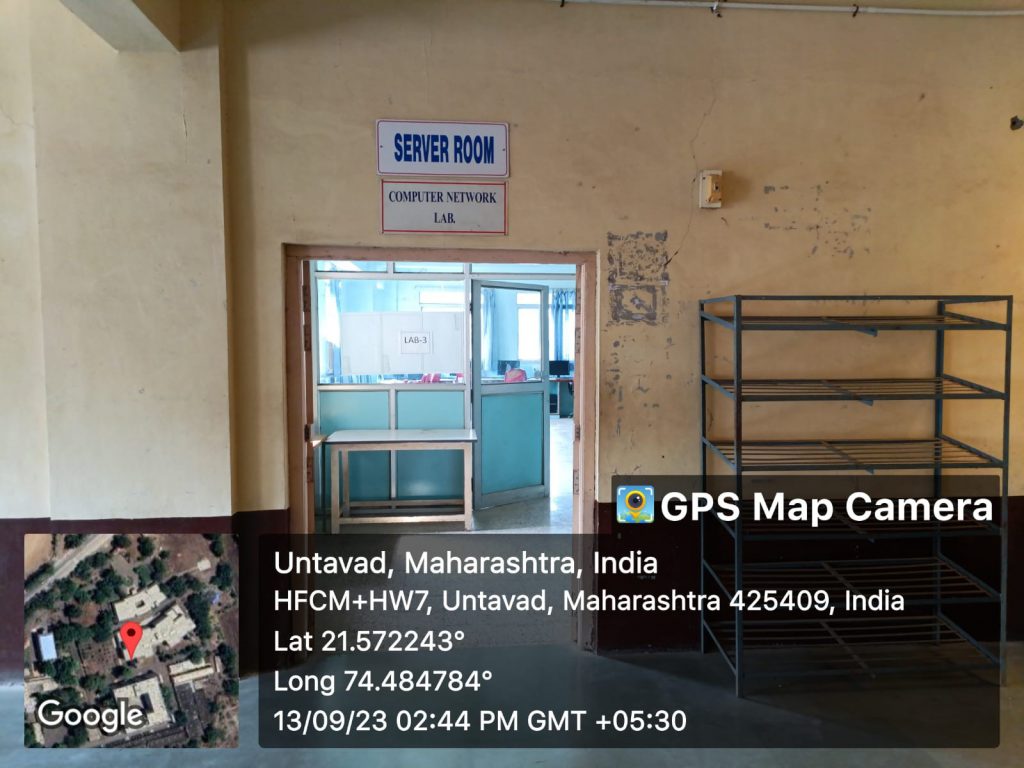
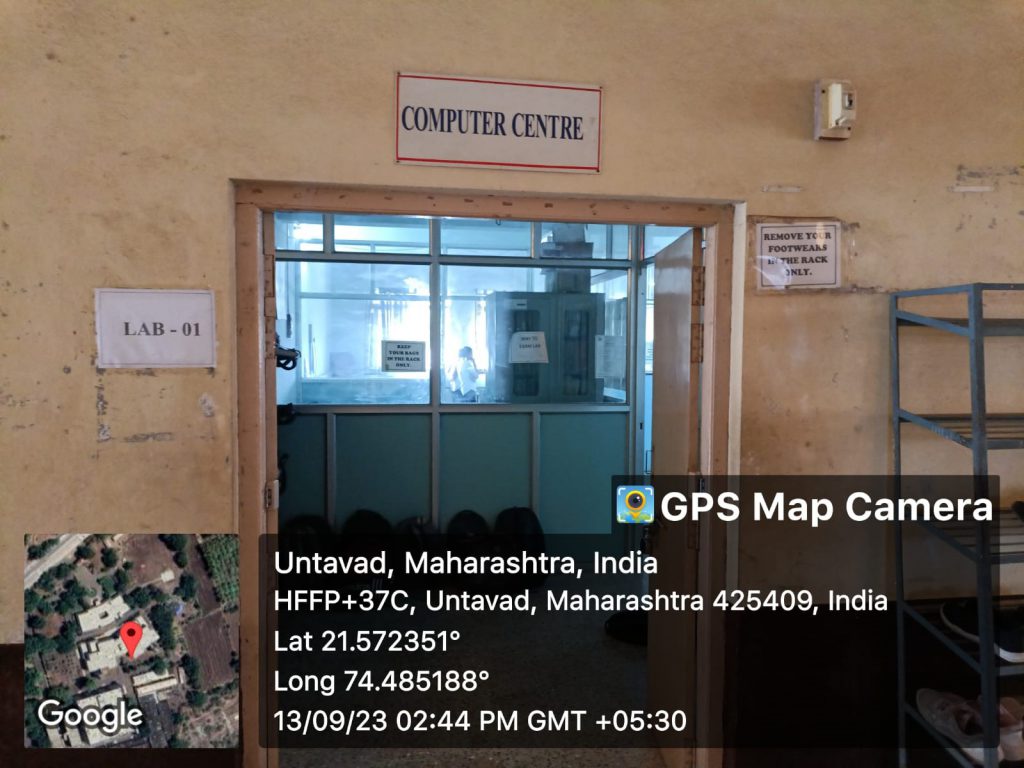
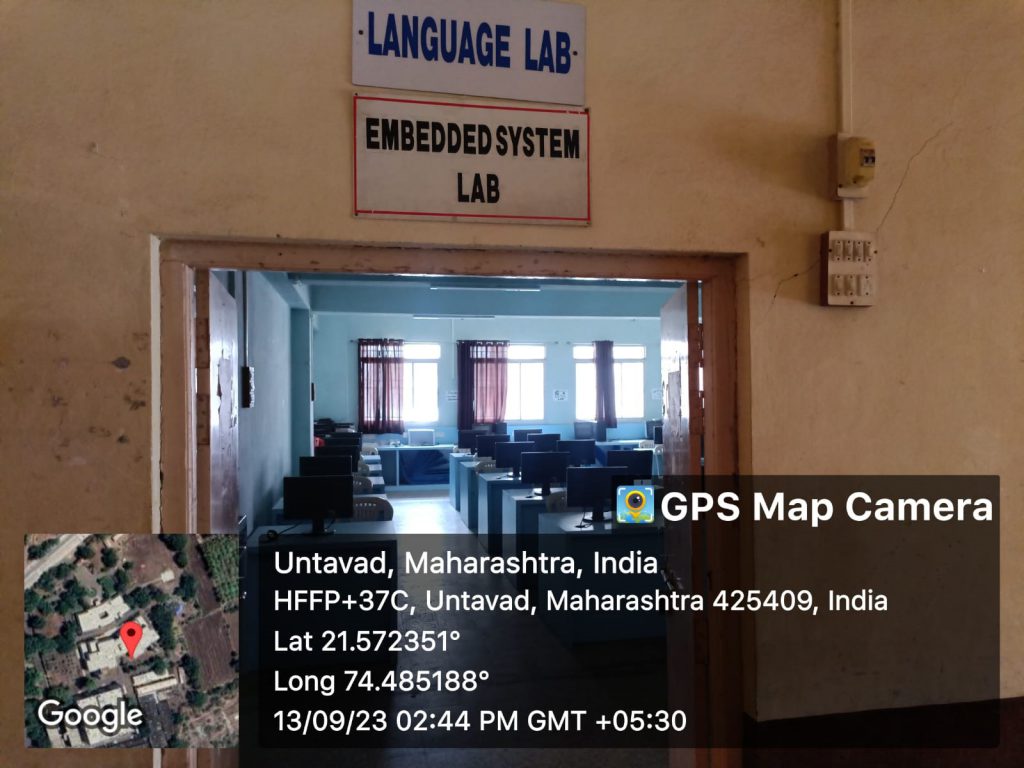
Ready to choose your branch?
Talk to our admissions team about eligibility, intake and the branch that best fits your goals — we respond within 24 hours.