
Electronics & Telecommunication Engineering
VLSI, embedded systems, wireless communication and signal processing.
Overview
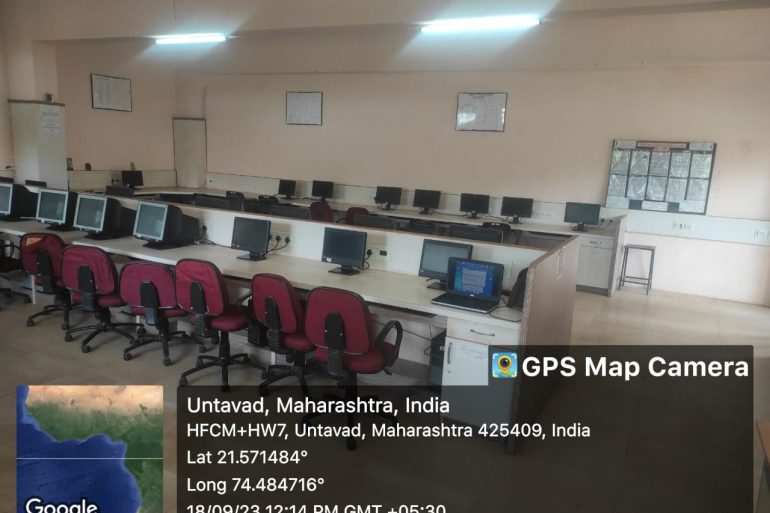
VLSI, embedded systems, wireless communication and signal processing.
- Established
- 1983
- Intake
- 48 seats (legacy department page; confirm current sanctioned intake)
- Duration
- 4 Years
- Programme
- B.Tech (undergraduate), four years
- Affiliation
- Dr. Babasaheb Ambedkar Technological University (DBATU)
Vision
We intend to provide our students with the best technical knowledge in the field of Electronics and Telecommunication to meet the industrial and social requirements of new era.
Mission
To mould young generation to new technology of high order that can meet the challenges in the fast developing technological world by shaping, discipline, competence and character of technocrats.
Goals
Tuning Students to new Technological Developments in the field of Electronics & Telecommunication
Infrastructure
| Name of The Lab | Area Covered (Square Mtr.) | Cost of the Lab |
|---|---|---|
| Digital Micro computing Lab | 99.00 | 17,21,073=00 |
| PG Lab. | 7,25,016=00 | |
| Microwave and Optical Fiber Communication Lab | 66.00 | 8,81,009=00 |
| Power Electronics Lab | 66.00 | 5,48,777=00 |
| Communication Engineering Lab | 66.00 | 9,56,517=00 |
| Consumer Electronics Lab & Control Engg Lab | 66.00 | 9,48,770=00 |
| Basic Electronics Lab | 66.00 | 5,50,065=00 |
| ECD Lab | 66.00 | 92,491=00 |
| e Yantra Embedded System & Robotics Lab | 66.00 | 2,12,173=00 |
| Total | 66,35,891=00 |
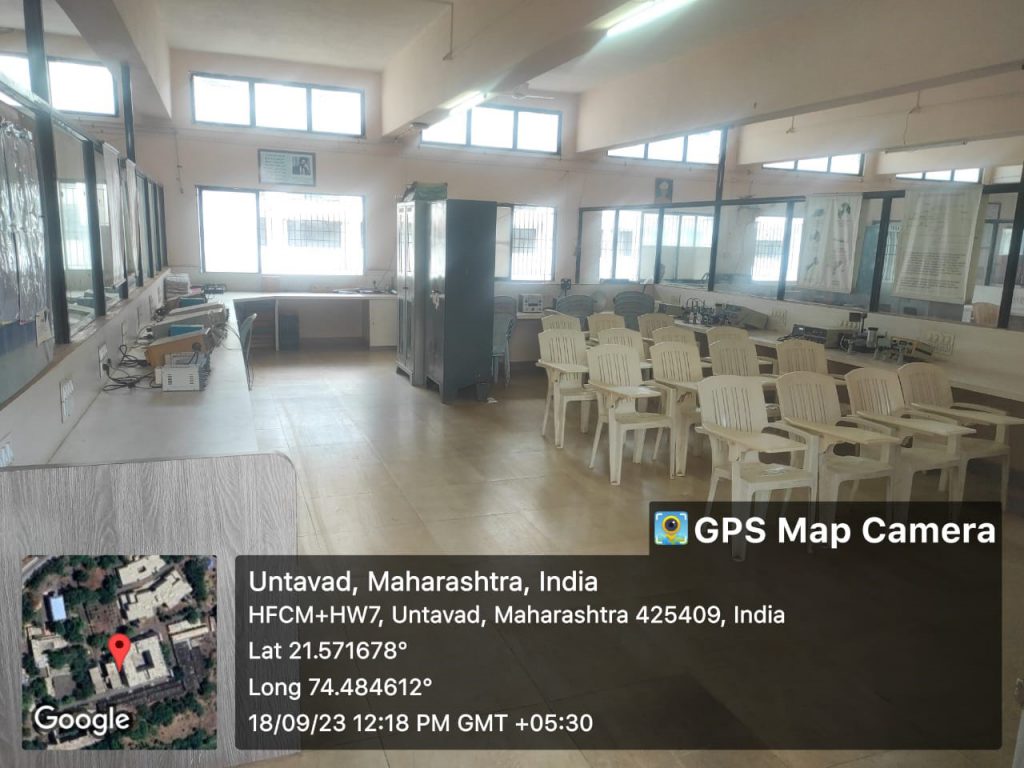
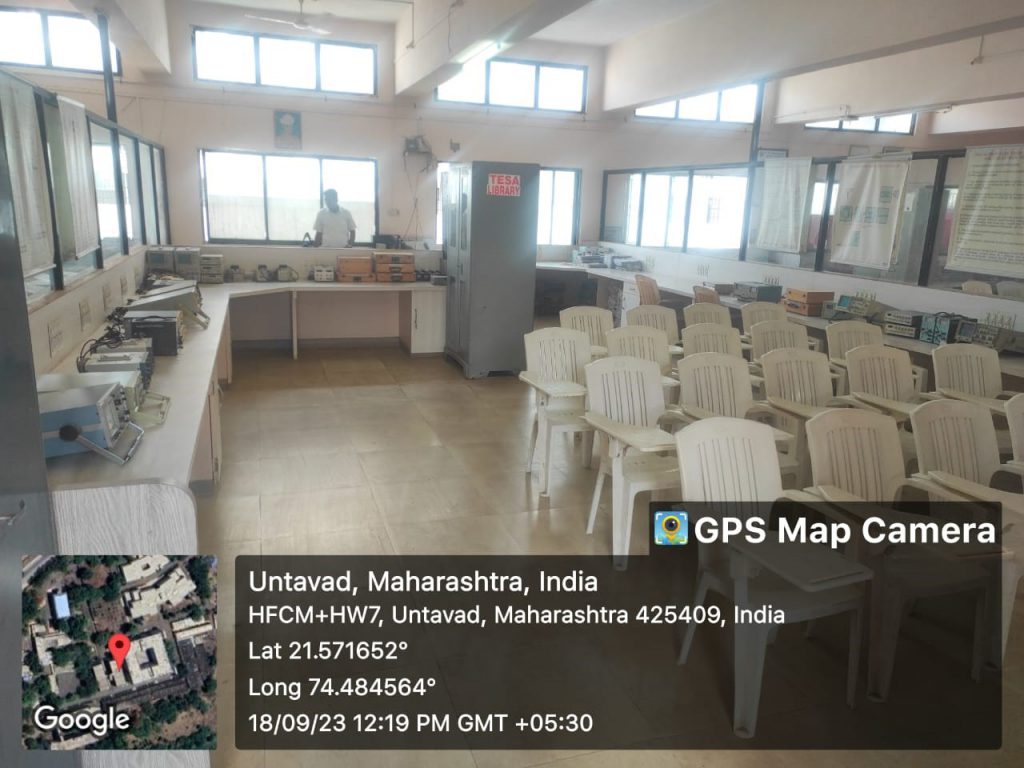
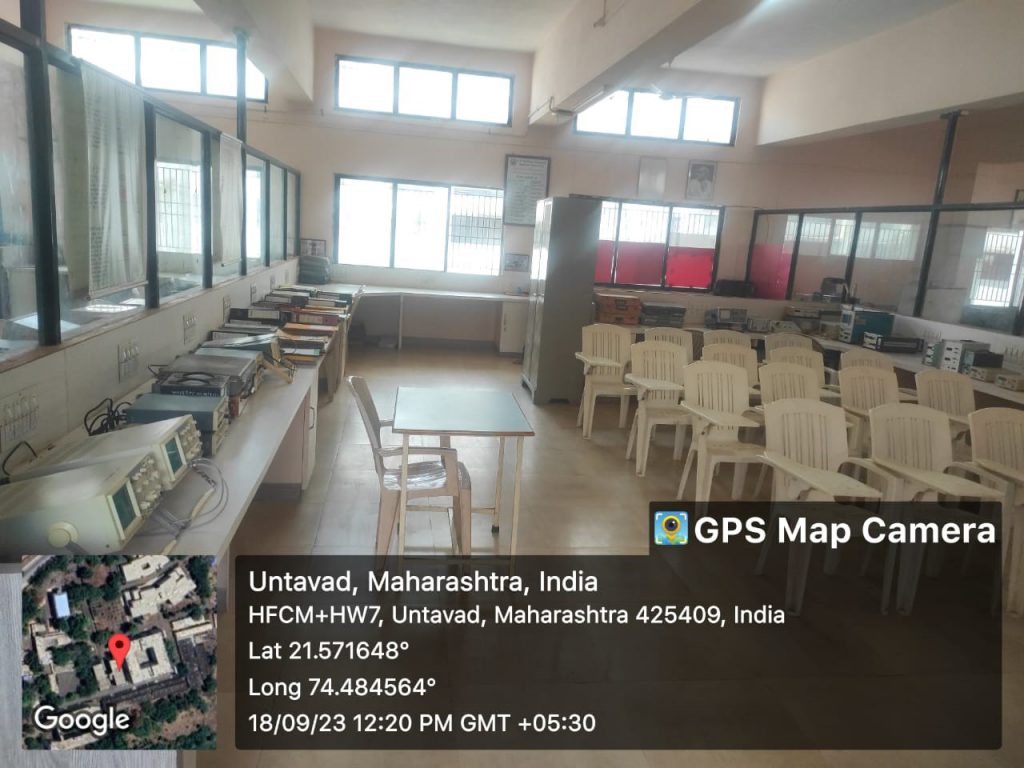
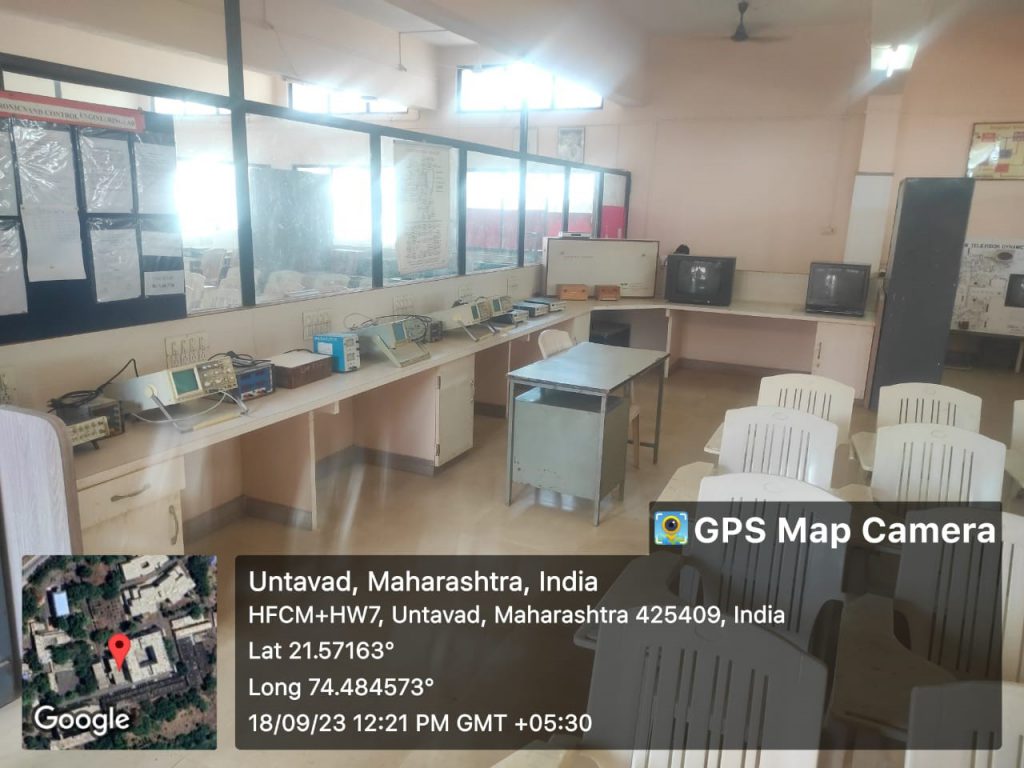
Laboratories
- Digital Micro computing Lab
- PG Lab.
- Microwave and Optical Fiber Communication Lab
- Power Electronics Lab
- Communication Engineering Lab
- Consumer Electronics Lab & Control Engg Lab
- Basic Electronics Lab
- ECD Lab
- e Yantra Embedded System & Robotics Lab
Laboratory details, major equipment and experiments (PDF) opens in a new tab
Faculty
6 faculty members as published by the college. Contact numbers are shown where the college has published them.
-
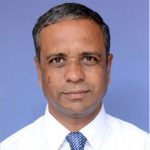
Prof. Dr. Vijay Khushal Patil
Professor and HoD E&Tc
- Qualification
- Ph.D.(Electronics)
- Expertise
- Digital Communication, Digital Image Processing
- Experience
- 34 Years
-

Prof. Jayashree Hiralal Patil
Assistant Professor
- Qualification
- M.Tech (VLSI Technology)
- Expertise
- VLSI Design, Microwave Engineering
- Experience
- 23 Years
-

Prof. Sanjay Purushottam Patil
Assistant Professor
- Qualification
- M.E. (Electronics)
- Expertise
- Wireless Sensor Network, Communication Engineering
- Experience
- 23 Years
-

Dr. Nandkishor Chhagan Patil
Associate Professor
- Qualification
- Ph.D. (Electronics)
- Expertise
- Fiber Optics Communication , Digital Signal Processing
- Experience
- 22 Years
-
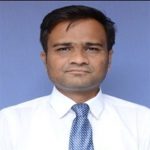
Dr. Pravin Bhimbhai Patil
Associate Professor
- Qualification
- Ph.D. (Electronics)
- Expertise
- Embedded System, Microprocessor and Micro-controller, Python Programming
- Experience
- 20 Years
-

Prof. Vijay Bhagawan Nerkar
Assistant Professor
- Qualification
- M.Tech (Digital Communication)
- Expertise
- Artificial Intelligence
- Experience
- 18 Years
Programme Outcomes
Programme Educational Objectives
- PEO1: To equip graduates with a strong foundation in engineering sciences and Electronics & Telecommunication Engineering fundamentals to become effective collaborators, researchers and real-time problem solver with technical competencies
- PEO2:Perceive the limitation and impact of engineering solutions in social, legal, environmental, economical and multidisciplinary contexts.
- PEO3: Excel in Industry/technical profession, higher studies, and entrepreneurship exhibiting global competitiveness.
- PEO4:Recognize and adapt to technical developments and to engage in lifelong learning and develop consciousness for professional, social, legal and ethical responsibilities.
Programme Outcomes
- PO1. Engineering knowledge:Apply the knowledge of mathematics, science, engineering fundamentals, and an engineering specialization to the solution of complex engineering problems.
- PO2. Problem analysis:Apply the knowledge of mathematics, science, engineering fundamentals, and an engineering specialization to the solution of complex engineering problems.
- PO3. Engineering knowledge:Design solutions for complex engineering problems and design system components or processes that meet the specified needs with appropriate consideration for the public health and safety, and the cultural, societal, and environmental considerations.
- PO4. Conduct investigations of complex problems: Use research-based knowledge and research methods including design of experiments, analysis and interpretation of data, and synthesis of the information to provide valid conclusions.
- PO5. Modern tool usage:Create, select, and apply appropriate techniques, resources, and modern engineering and IT tools including prediction and modeling to complex engineering activities with an understanding of the limitations.
- PO6. The engineer and society: Apply reasoning informed by the contextual knowledge to assess societal, health, safety, legal and cultural issues and the consequent responsibilities relevant to the professional engineering practice.
- PO7. Environment and sustainability:Understand the impact of the professional engineering solutions in societal and environmental contexts, and demonstrate the knowledge of, and need for sustainable development.
- PO8. Ethics: Apply ethical principles and commit to professional ethics and responsibilities and norms of the engineering practice.
- PO9. Individual and team work: Function effectively as an individual, and as a member or leader in diverse teams, and in multidisciplinary settings.
- PO10. Communication: Communicate effectively on complex engineering activities with the engineering community and with society at large, such as, being able to comprehend and write effective reports and design documentation, make effective presentations, and give and receive clear instructions.
- PO11. Project management and finance: Demonstrate knowledge and understanding of the engineering and management principles and apply these to one’s own work, as a member and leader in a team, to manage projects and in multidisciplinary environments.
- PO12. Life-long learning:Recognize the need for, and have the preparation and ability to engage in independent and life-long learning in the broadest context of technological change.
Course Outcomes
Course outcomes for the Electronics & Telecommunication Engineering programme are published as a document.
Additional Information
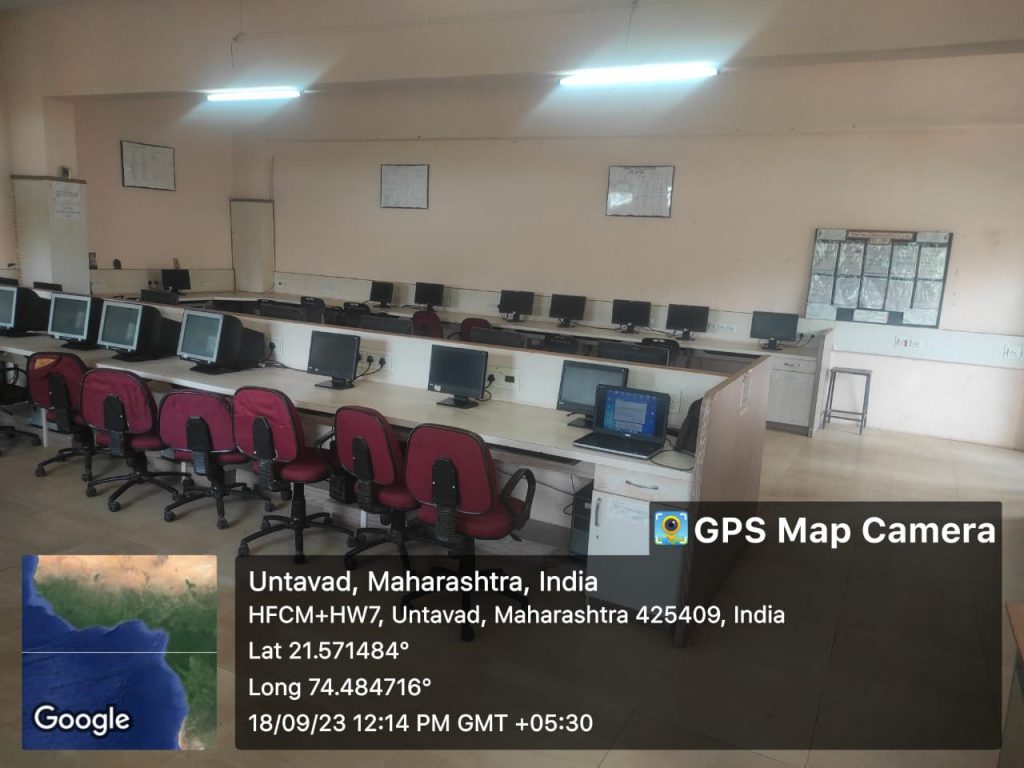
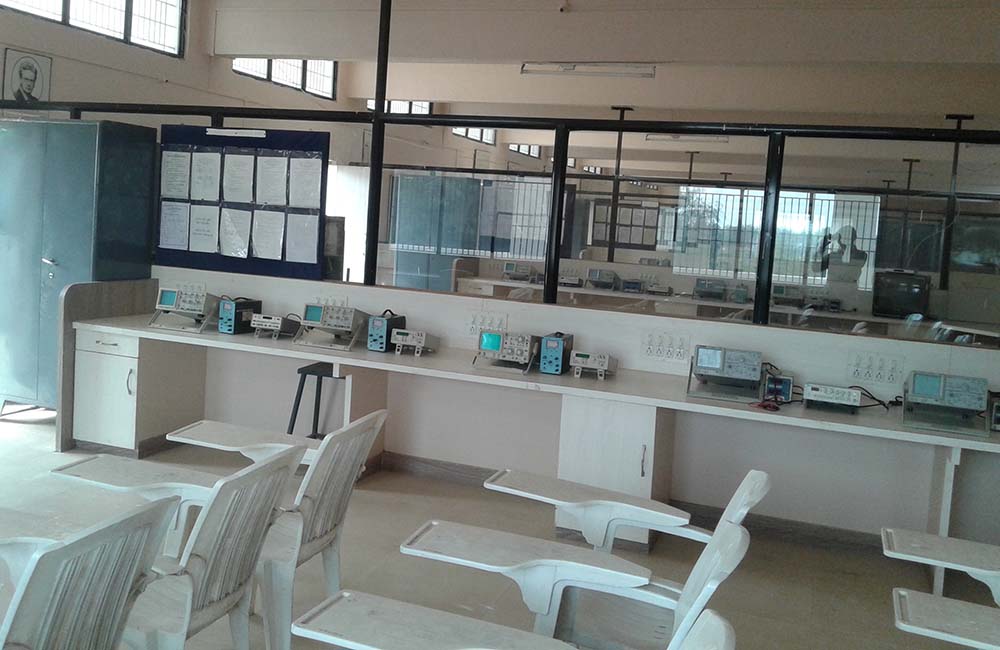
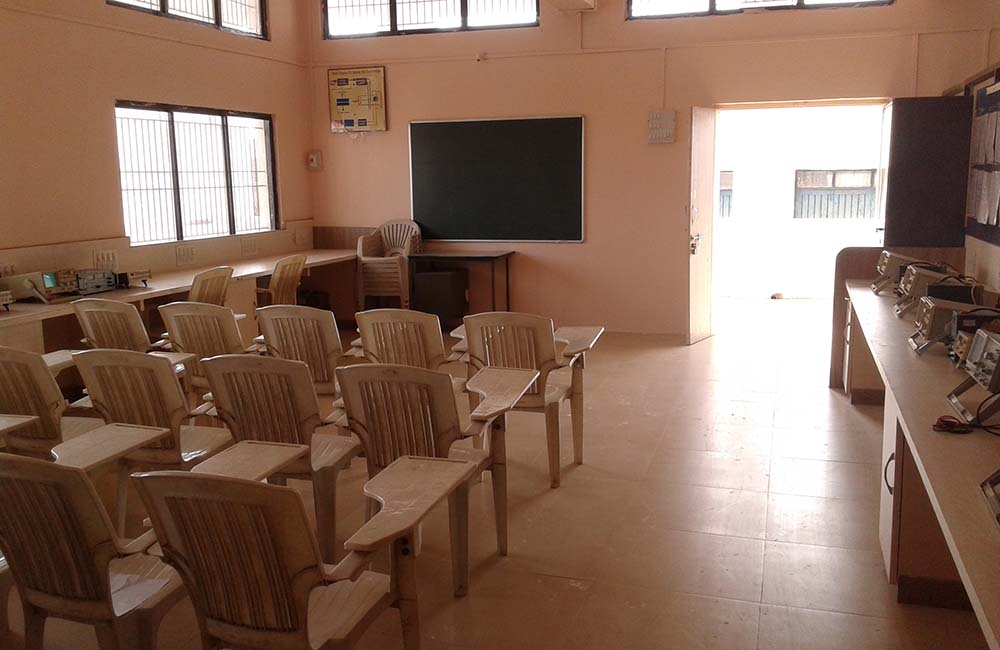
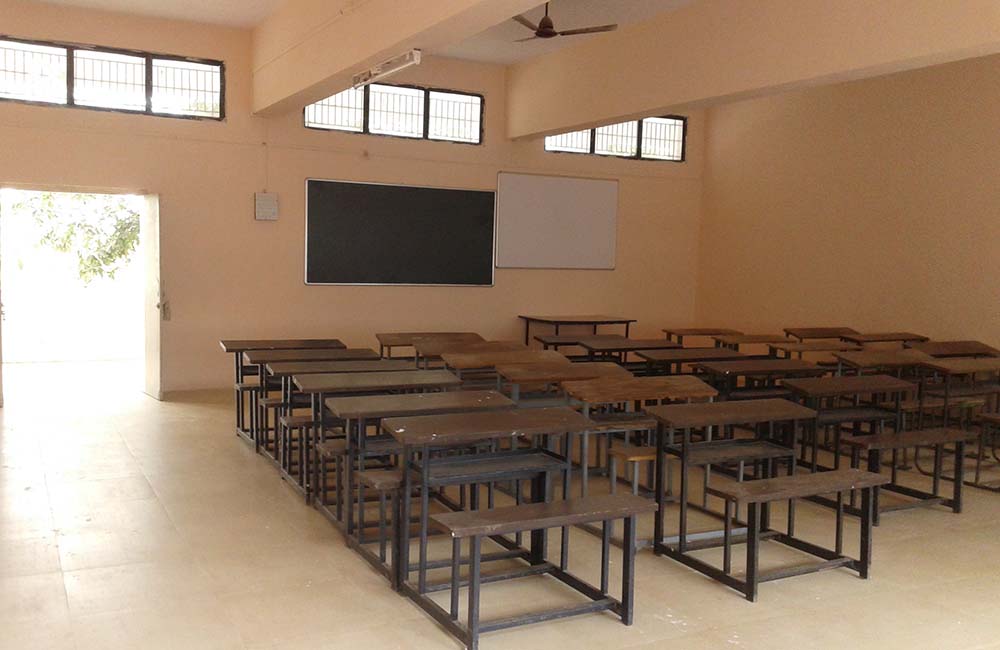
Department photographs
Ready to choose your branch?
Talk to our admissions team about eligibility, intake and the branch that best fits your goals — we respond within 24 hours.