
Civil Engineering
Structural design, construction management, environmental engineering and infrastructure.
Overview
Structural design, construction management, environmental engineering and infrastructure.
- Established
- 1983
- Intake
- 60 seats (legacy department page; confirm current sanctioned intake)
- Duration
- 4 Years
- Programme
- B.Tech (undergraduate), four years
- Affiliation
- Dr. Babasaheb Ambedkar Technological University (DBATU)
Vision
To be a world class institution offering Under Graduate Programmes in Civil Engineering and related disciplines
Mission
To provide quality education at Under Graduate level in Civil Engineering thereby transforming the students into committed technical personnel capable of contributing to socio-economic well being of the nation.
Goals
To produce quality technocrats to enhance the field of Civil Engineering in the country
Infrastructure
| Name of The Lab | Area Covered (M2) | Cost of the Lab |
|---|---|---|
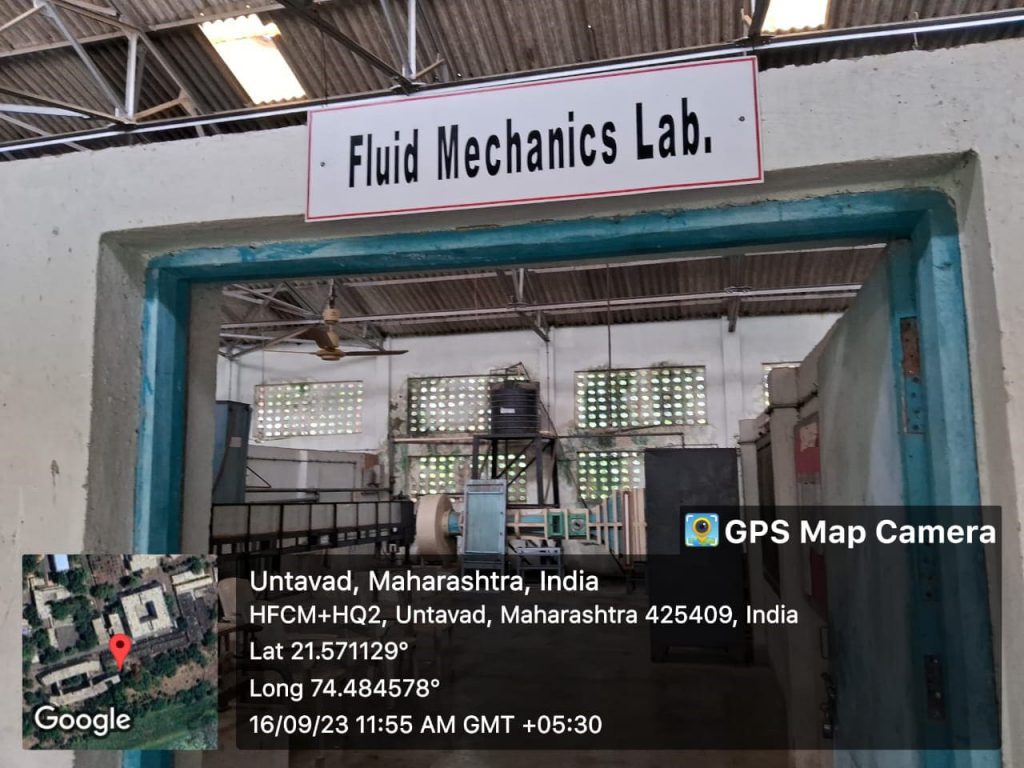
| Fluid Mechanics | 87.45 | 174421.00 |
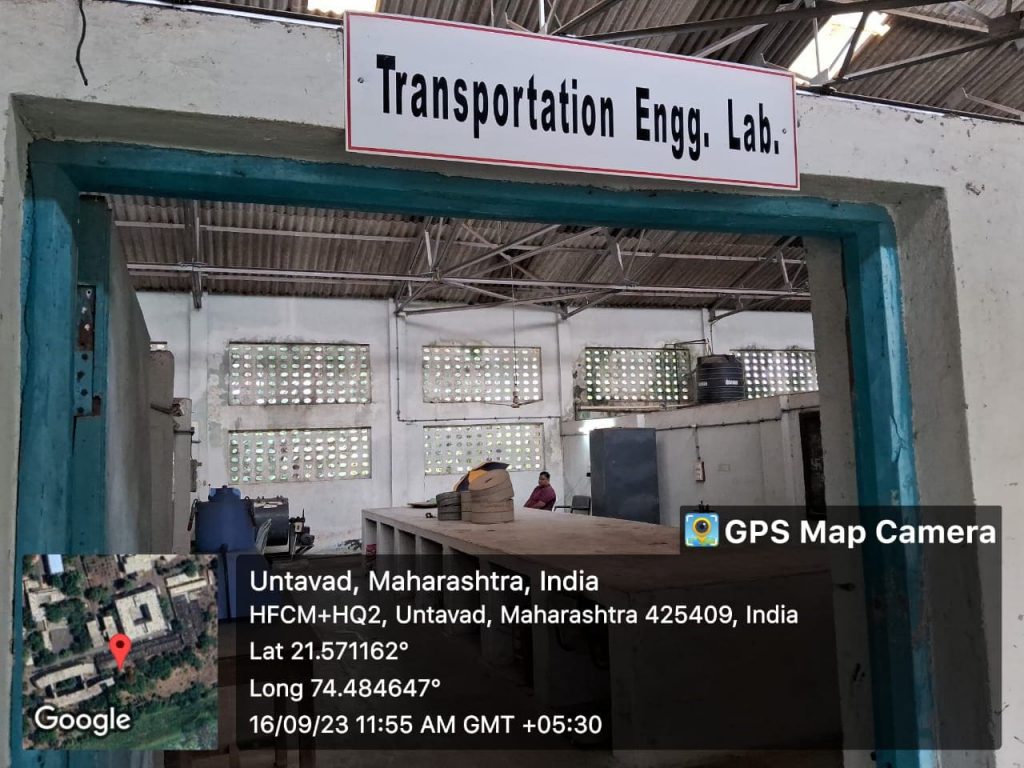
| Transportation Engg. Lab. | 87.45 | 338210.00 |
| Computer Centre | 104.25 | 759050.00 |
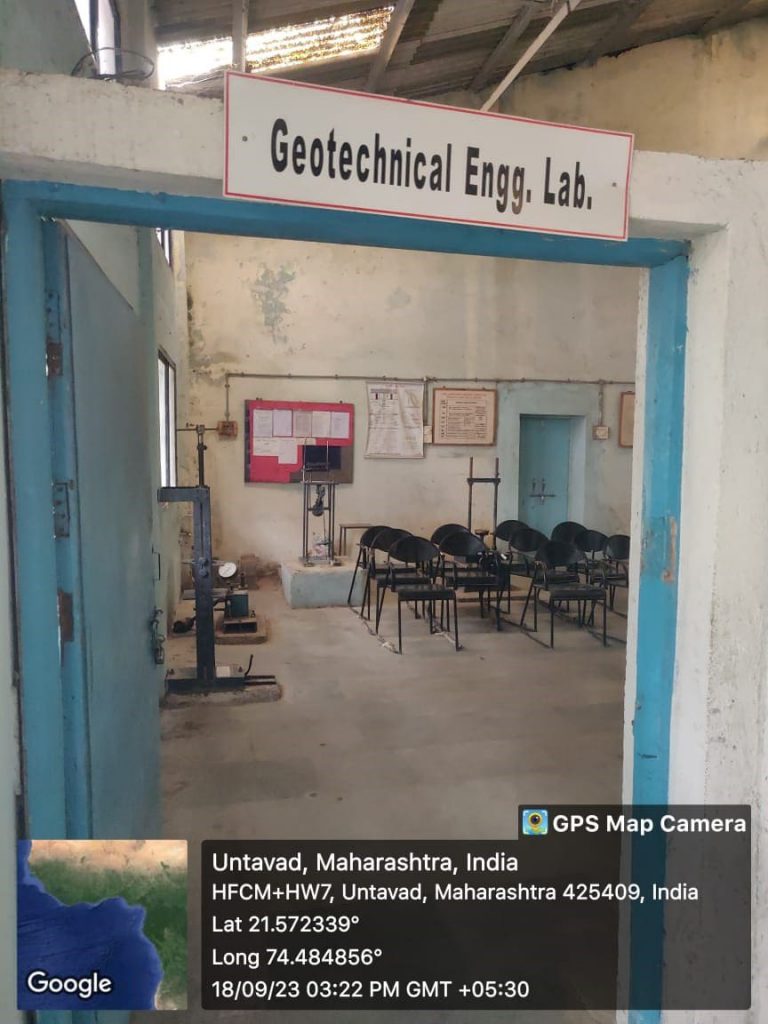
| Geotechnical Engg. Lab. | 111.0 | 266486.00 |
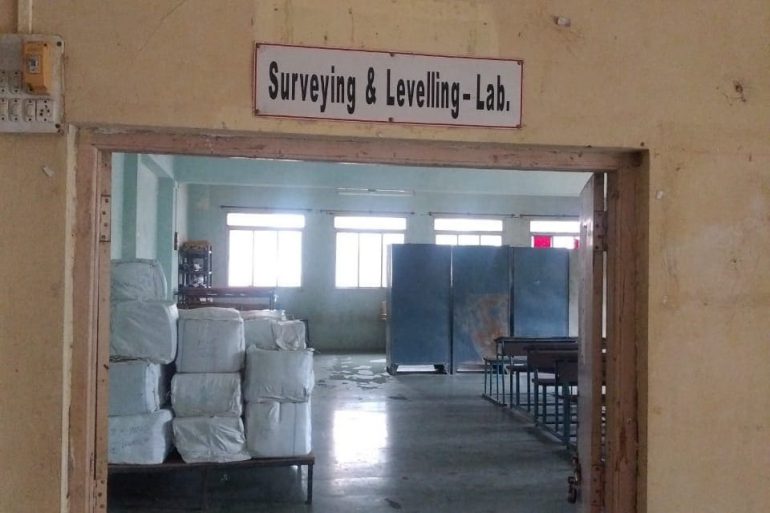
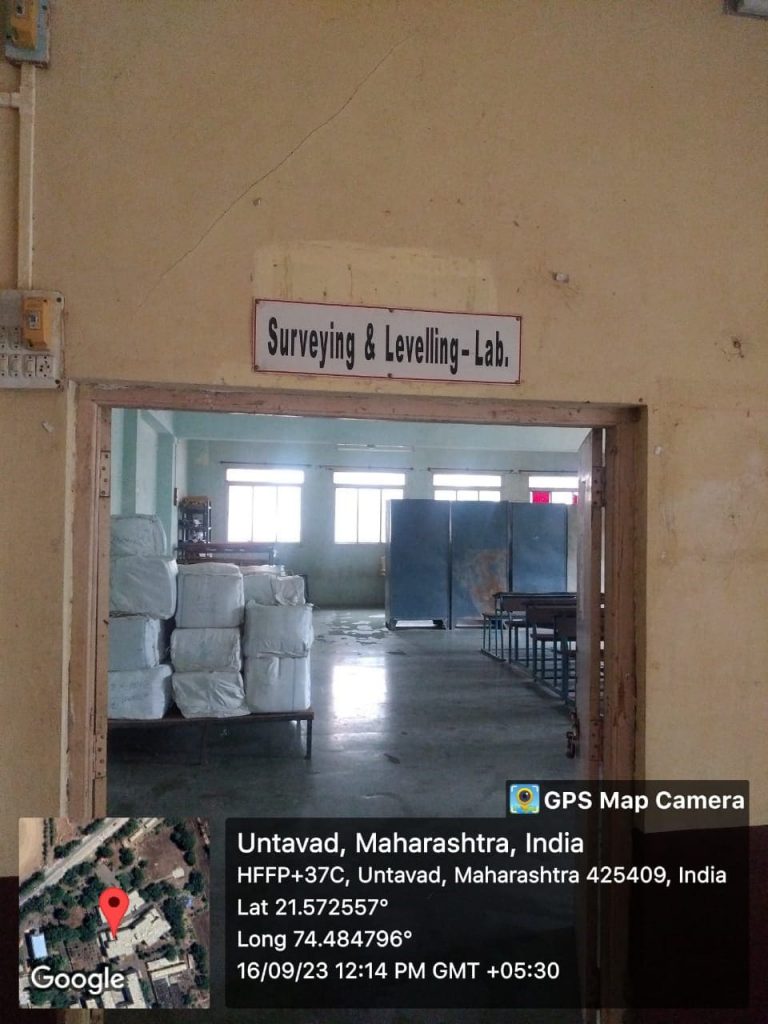
| Surveying Lab | 104.25 | 571529.00 |
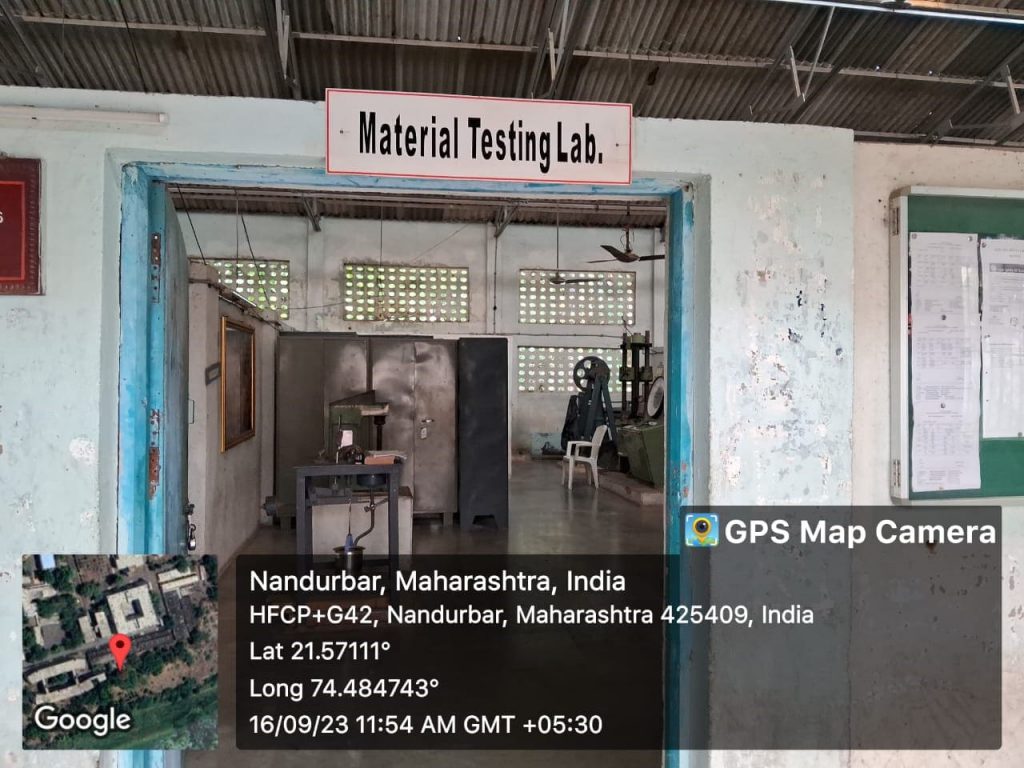
| Material Testing Lab | 87.45 | 335321.00 |
| Environmental Engg. Lab. | 128.52 | 366335.00 |
| Applied Mechanics Lab. | 104.25 | 316208.00 |
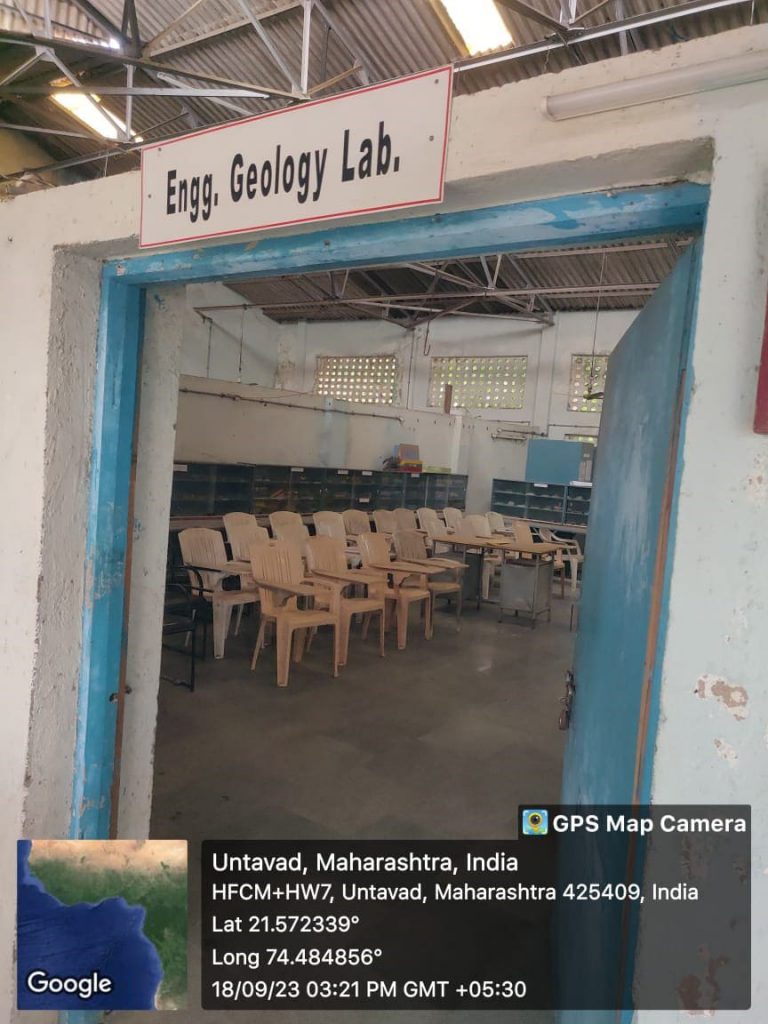
| Geology Lab. | 87.45 | 27910.00 |
| Total Grand | 989.52 | 3144862.00 |
Laboratories
- Fluid Mechanics
- Transportation Engg. Lab.
- Computer Centre
- Geotechnical Engg. Lab.
- Surveying Lab
- Material Testing Lab
- Environmental Engg. Lab.
- Applied Mechanics Lab.
- Geology Lab.
Laboratory details, major equipment and experiments (PDF) opens in a new tab
Faculty
5 faculty members as published by the college. Contact numbers are shown where the college has published them.
-
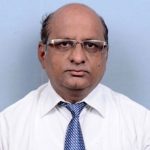
Dr. Chhotulal Punamchand Patel
Professor and Academic Dean
- Qualification
- PhD (Civil Engg.), M.E.[Civil Engg.], B.E. [Civil Engg.]
- Expertise
- Structural Engineering
- Experience
- 36 Years
-
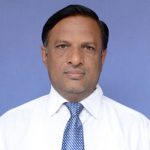
Prof. Subhash Ramji Patil
Assistant Professor
- Qualification
- B.E.(Civil) ,M.E..( Environmental Engg.)
- Expertise
- Building Material & Testing
- Experience
- 35 Years
-

Prof. Rakesh Amar More
Assistant Professor
- Qualification
- M.E. (Civil), B.E. (Civil)
- Expertise
- Building Science & Technology
- Experience
- 17 Years
-

Prof. Yogendra Onkar Patil
Assistant Professor
- Qualification
- M.E.(Civil), B.E.(Civil)
- Expertise
- Building Science & Technology
- Experience
- 15 Years
-

Prof. Pathan Faizankhan A.
Assistant Professor
- Qualification
- M.E. (Water Resources Engg.), B.E. (Civil)
- Expertise
- Hydrology, Flood Control, Data Analysis and Modelling
- Experience
- 2 Years
Programme Outcomes
Programme Educational Objectives
- PEO I: Analytical Knowledge and Practical Skills : To infill graduates with analytical knowledge so as to enable them to formulate and solve real world problems by providing strong foundation in mathematics, science and engineering and to inculcate practical skills in graduates by providing hands on training in conducting experiments and analysis/interpretation of data
- PEO II: Team Work and Presentation Skills :To produce graduates with good inter-personal skills and competency in communication and presentation to enable them to lead and work in multi disciplinary team environments.
- PEO III : Employability/ Higher Education : To prepare students for professional level employment in Government, public or private organizations; and to induce in them strong desire for higher education.
- PEO IV : Entrepreneurship :To provide ample opportunity to the students to interact with industry/entrepreneurs/ practicing engineers and technocrats so as to get motivated towards development of appropriate technology based on local needs and to promote self employment.
- PEO V : Ethics and Social Commitment : Imbibe in graduates the awareness of professional ethics and social commitment towards sustainable development and all round growth of society.
Programme Outcomes
- Engineering knowledge: apply the knowledge of mathematics, science, engineering fundamentals, and an engineering specialization to the solution of complex engineering problems.
- Problem analysis: identify, formulate, review research literature, and analyze complex engineering problems reaching substantiated conclusions using first principles of mathematics, natural sciences, and engineering sciences.
- Design/development of solutions: design solutions for complex engineering problems and design system components or processes that meet the specified needs with appropriate consideration for the public health and safety, and the cultural, societal, and environmental considerations.
- Conduct investigations of complex problems: use research-based knowledge and research methods including design of experiments, analysis and interpretation of data, and synthesis of the information to provide valid conclusions.
- Modern tool usage: create, select, and apply appropriate techniques, resources, and modern engineering and it tools including prediction and modeling to complex engineering activities with an understanding of the limitations.
- The engineer and society: apply reasoning informed by the contextual knowledge to assess societal, health, safety, legal and cultural issues and the consequent responsibilities relevant to the professional engineering practice.
- Environment and sustainability: understand the impact of the professional engineering solutions in societal and environmental contexts, and demonstrate the knowledge of, and need for sustainable development.
- Ethics: apply ethical principles and commit to professional ethics and responsibilities and norms of the engineering practice.
- Individual and team work: function effectively as an individual, and as a member or leaderin diverse teams, and in multidisciplinary settings.
- Communication: communicate effectively on complex engineering activities with community and with society at large, such as, being able to comprehend and write effective reports and design documentation, make effective presentations, and give and receive clear instructions.
- Project management and finance: demonstrate knowledge and understanding of the engineering and management principles and apply these to one’s own work, as a member and leader ina team, to manage projects and in multidisciplinary environments.
- Life-long learning: recognize the need for, and have the preparation and ability to engage in independent and life-long
Course Outcomes
Course outcomes for the Civil Engineering programme are published as a document.
Additional Information
Department photographs
Ready to choose your branch?
Talk to our admissions team about eligibility, intake and the branch that best fits your goals — we respond within 24 hours.